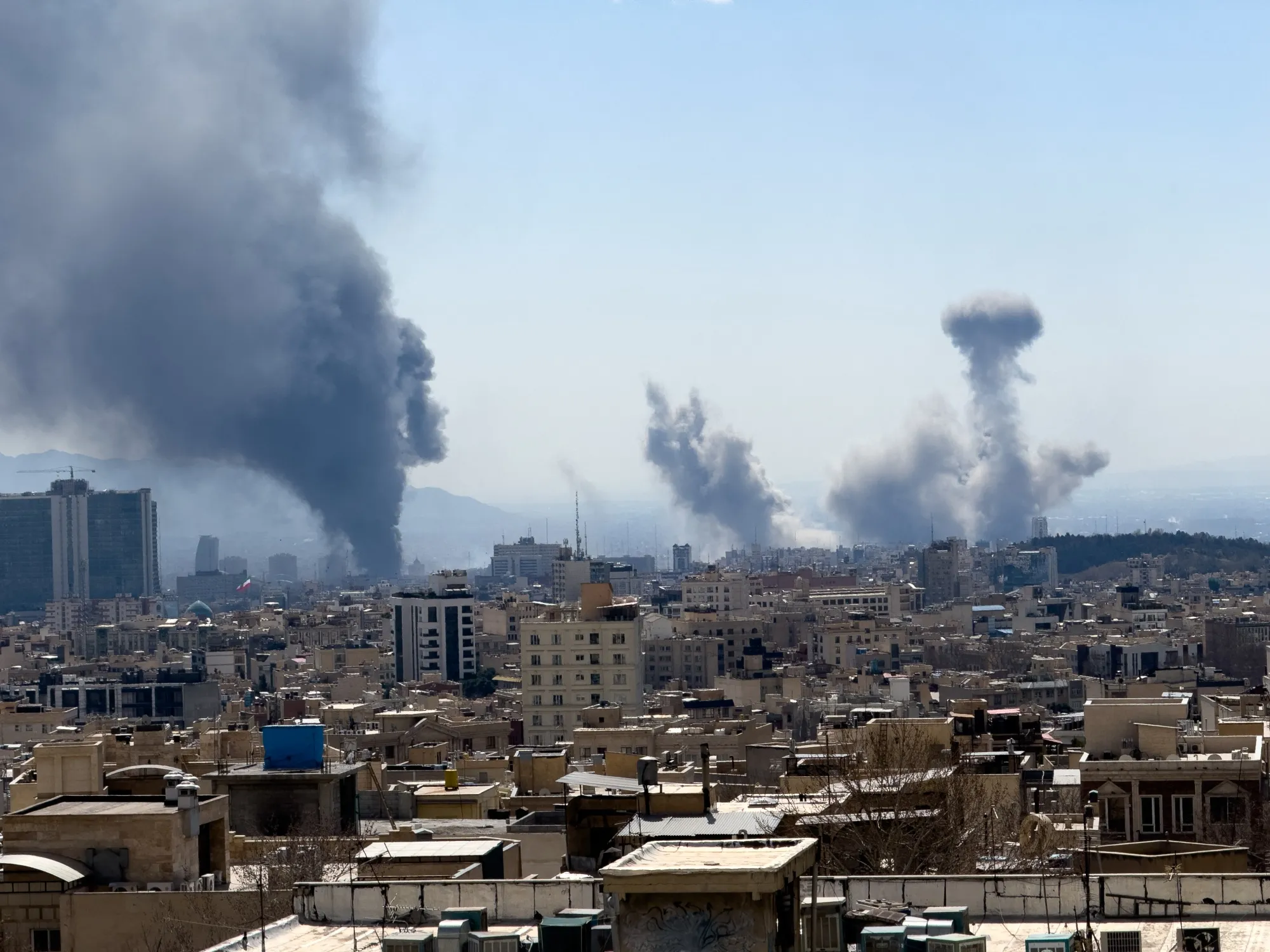
Amazon.com Inc.’s cloud division is bracing customers for extended service outages after disclosing that drone strikes hit three of its data centers in the Middle East over the past few days.
The company said the damage could trigger lingering disruptions, raising fresh concerns about the resilience of critical cloud infrastructure in an increasingly volatile region — and leaving businesses scrambling to assess the potential fallout.
Amazon Web Services Inc. revealed for the first time that drones had “directly struck” two of its facilities in the United Arab Emirates. In Bahrain, the company said, another drone attack exploded near a separate site, damaging critical infrastructure. The disclosure underscores how escalating regional tensions are now reaching the very heart of the cloud systems that power businesses around the world.
"We are working to restore full service availability as quickly as possible, though we expect recovery to be prolonged given the nature of the physical damage involved," the company said in a post, warning that recovery will likely take time because of the extent of the physical damage. In the meantime, AWS customers are seeing higher error rates and reduced availability — a stark reminder that even the world’s most sophisticated cloud networks are not immune to real-world shocks.
The damage and resulting outages highlight how a fast-spreading conflict is rippling across the Middle East, with explosions reported in Israel, Saudi Arabia, Qatar, and the United Arab Emirates. The economic shockwaves are now hitting global markets: oil prices have surged, and tanker traffic through the Strait of Hormuz has nearly come to a standstill as mounting security risks force shippers to think twice.
Two of AWS’s three regional data center hubs “remain significantly impaired,” the company said in an update posted at 4:19 a.m. UAE time on Tuesday. A third availability zone is operating normally, but some services are still feeling the ripple effects because they rely on systems housed in the damaged facilities. The uneven recovery paints a stark picture: parts of the cloud are back online, while others remain under serious strain.
Amazon Web Services Inc. said it is racing to bring the affected facilities back online and urged customers in the Middle East to back up critical data and consider shifting workloads to other AWS regions as a precaution. The company operates 123 availability zones across 39 regions worldwide — a vast global footprint now being tested by an escalating regional crisis.
"Even as we work to restore these facilities, the ongoing conflict in the region means that the broader operating environment in the Middle East remains unpredictable," AWS said in a statement posted on its website, signaling that uncertainty could linger well beyond the immediate repairs. The company declined to provide additional details beyond its public updates, leaving customers and investors watching closely for what comes next.