A New York City university professor is facing intense backlash after a hot mic captured her making a crude remark about Black students — a comment education officials swiftly condemned as “blatantly racist,” igniting outrage and demands for accountability.
Allyson Friedman, an associate professor at Hunter College, ignited controversy after she abruptly cut off a Black eighth-grade student who was voicing concerns about her school potentially being shut down during a Feb. 10 Community Education Council meeting — a tense exchange that quickly drew sharp public criticism.
“They’re too dumb to know they’re in a bad school,” Friedman reportedly said while her microphone was still live, according to The New York Times — a stunning remark that was broadcast to the room and would soon trigger a wave of outrage.
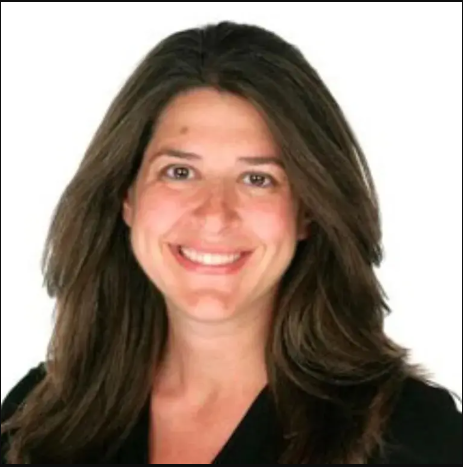
Allyson Friedman, a professor at Hunter College, ignited fierce backlash after making explosive remarks during a public call about potential school closures — comments that quickly spread beyond the meeting and set off a firestorm of criticism. Hunter College
“If you train a black person well enough, they’ll know to use the back,” she said. “You don’t have to tell them anymore.”
She appeared to be responding to remarks from Reginald Higgins, the district’s interim acting superintendent, who had referenced Carter G. Woodson — widely regarded as the father of Black history — moments before the exchange took a deeply controversial turn.
“If you make a man think that he is justly an outcast, you do not have to order him to the back door. He will go without being told,” Woodson wrote in his 1933 book “The Mis-education of the Negro.”
A university spokesperson denounced Friedman’s remarks as “abhorrent,” according to the Daily Mail — a stark rebuke that underscored the growing backlash and signaled the institution was distancing itself from the controversy.
Education officials said they were deeply troubled by Friedman’s remarks, while students listening on the Zoom call were left stunned and shaken — a moment of disbelief that quickly gave way to anger as the fallout intensified.
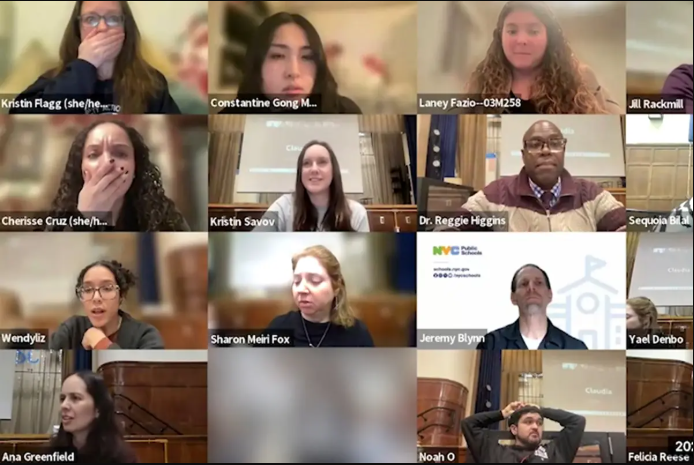
The remarks left students horrified — a jarring moment that rippled through the room and sparked immediate outrage. CEC3
“I am deeply disturbed by the blatantly racist and harmful remarks made during the CEC3 meeting,” said Rita Joseph, the City Council’s education chair, condemning the comments in strong terms and signaling that the controversy had reached the highest levels of city leadership.
Brad Hoylman-Sigal, the Manhattan borough president, blasted Friedman’s remarks as “outrageous,” adding his voice to a growing chorus of officials demanding accountability as the controversy continued to escalate.
“It is particularly despicable that these vile words were uttered while children were giving testimony at the meeting, exposing them to this hatred,” he added.
Friedman later issued an apology, attempting to clarify her remarks, according to The New York Times — a move that did little to quell the mounting criticism surrounding her comments.
“My complete comments make clear these abhorrent views are not my own, nor were they directed at any student or group,” she said.
“I fully support these courageous students in their efforts to stop school closures.
“However, I recognize these comments caused harm and pain, while that was not my intent I do truly apologize.”
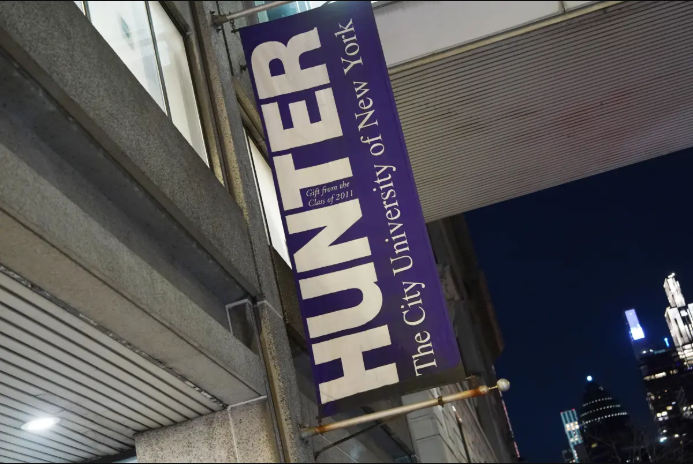
A spokesperson for Hunter College denounced the remarks as “abhorrent,” delivering a blunt condemnation that underscored the seriousness of the fallout and the institution’s swift response to the controversy. Christopher Sadowski
Black students account for roughly 20% of total enrollment across New York City’s public schools — a significant share of the student population that underscores just how deeply the remarks resonated across the city’s education system.
In recent weeks, officials have been weighing potential school closures in Manhattan’s District 3, according to Chalkbeat — a proposal that has stirred anxiety among families and set the stage for heated public debate.
With more than 17,000 undergraduates and 5,500 graduate students enrolled, Hunter College serves a vast and diverse academic community — amplifying the impact and visibility of the controversy.
Black or African American students comprise about 11.5% of the university’s undergraduate enrollment — a meaningful portion of the campus community, making the controversy all the more deeply felt.