On Thursday, President Trump warned he might unleash the rarely used Insurrection Act in Minnesota — threatening to send U.S. troops into the state if local leaders don’t stop violent clashes with Immigration and Customs Enforcement (ICE) agents.
The Insurrection Act gives the president sweeping powers to deploy the military and call up the National Guard whenever civil unrest or an armed rebellion threatens the U.S. government.
“If the corrupt politicians of Minnesota don’t obey the law and stop the professional agitators and insurrectionists from attacking the Patriots of I.C.E., who are only trying to do their job, I will institute the INSURRECTION ACT, which many Presidents have done before me,” Trump warned on Truth Social.
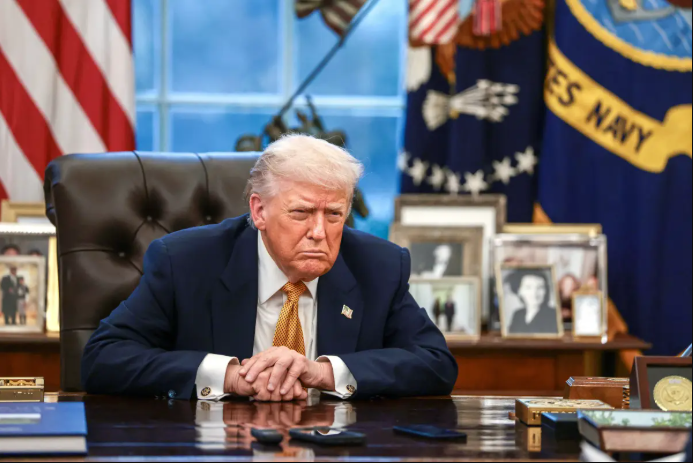
President Trump fired off a stark warning — saying he’s prepared to unleash the rarely used Insurrection Act in Minnesota if state leaders don’t crack down on protesters clashing with federal ICE officers. REUTERS
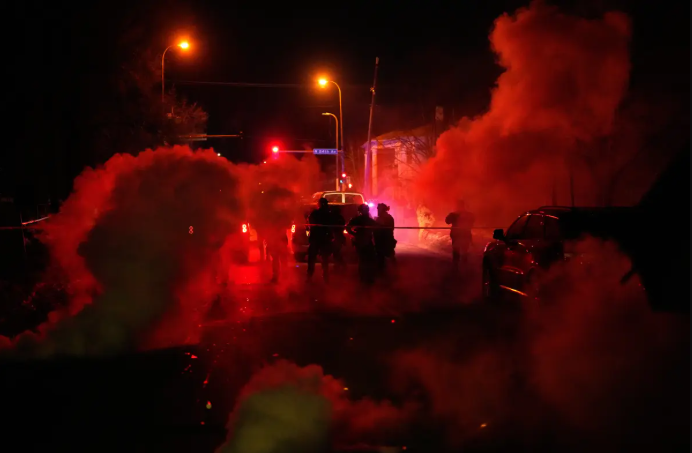
Tear gas swirls around federal agents as they march away from a tense scene in Minneapolis following a Wednesday shooting — a stark snapshot of the city’s explosive clash between law enforcement and the community. AP
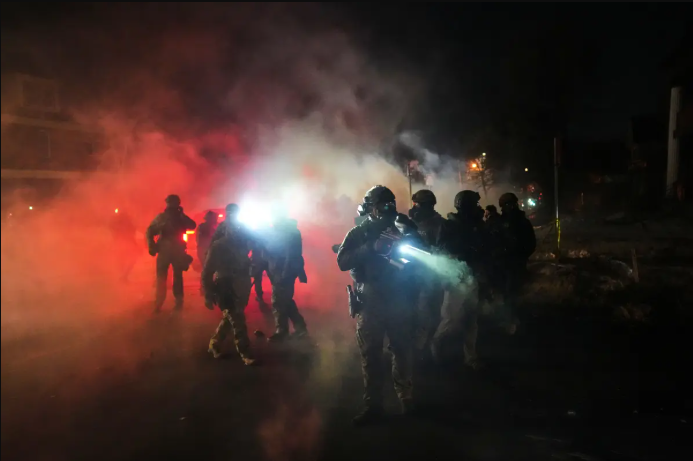
The Insurrection Act lets the president call in the military and federalize the National Guard whenever civil unrest or an armed rebellion threatens the U.S. government — granting sweeping powers in times of crisis. AP
Trump’s threat didn’t come out of thin air — it followed a dramatic incident in Minneapolis where a federal ICE agent shot and wounded a man during a struggle at a traffic stop on Wednesday night, with officials saying two others attacked the officer with a shovel and broom handle amid rising tensions over federal enforcement.
According to the Department of Homeland Security, the man involved in the traffic stop broke free and lunged at the officer with a broomstick or shovel, forcing the agent to shoot him in the leg.
Now in federal custody, the man — a Venezuelan national — faces scrutiny after the violent confrontation.
The shooting came just one week after another federal ICE officer fatally shot activist Renee Nicole Good in Minneapolis — an incident that ignited protests and outrage after she allegedly drove her SUV toward the agent during a tense encounter.
These two incidents have set off days of intense protests across the Twin Cities, leaving the region on edge.
Mayor Jacob Frey says some 3,000 federal immigration officers — including ICE and Border Patrol agents — have been sent to Minneapolis, a massive show of force that dwarfs the city’s roughly 600 police officers and has fueled outrage and protests across the Twin Cities.
“This is not sustainable,” Frey told reporters late Wednesday. “This is an impossible situation that our city is presently being put in, and at the same time we are trying to find a way forward, to keep people safe, to protect our neighbors, to maintain order.”
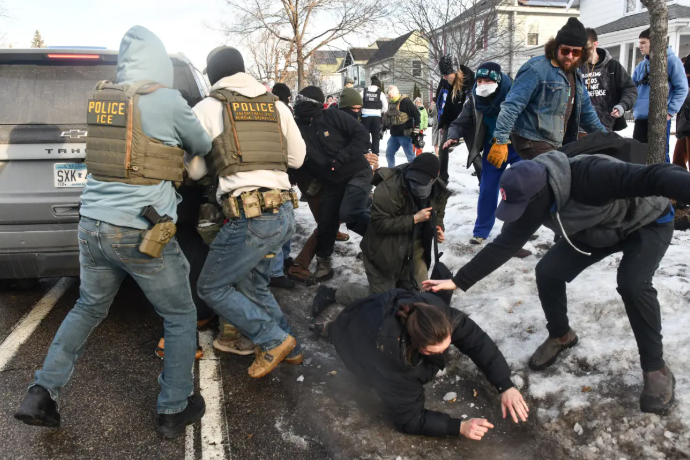
Federal ICE and other U.S. officers have repeatedly clashed with protesters in Minneapolis, with scenes of tear gas, heated confrontations and arrests marking the city as tensions over immigration enforcement boil over. AFP via Getty Images
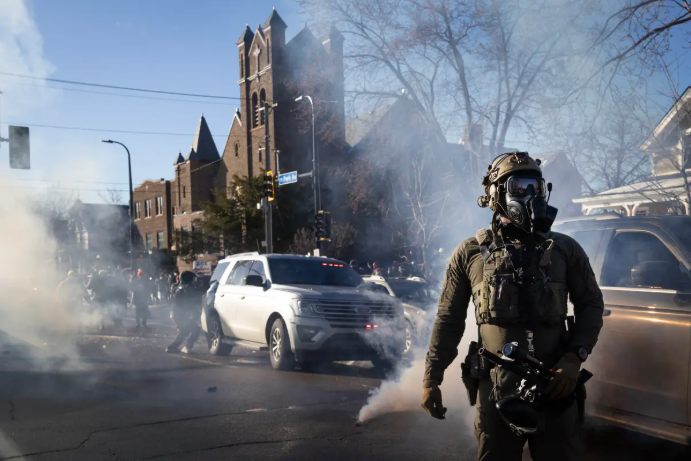
Tear gas hung thick in the air as federal immigration agents clashed with residents and fired chemical canisters while pulling back from a tense house raid in Minneapolis on Jan. 13, 2026 — a moment that captured just how explosive the standoff between authorities and the community has become. Getty Images
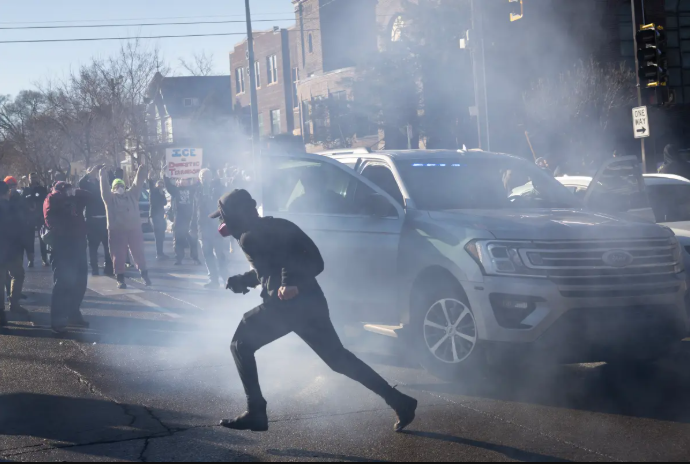
Mayor Jacob Frey says roughly 3,000 federal immigration officers — from ICE and Border Patrol — have flooded into Minneapolis, a staggering show of force that has dramatically reshaped the city’s security landscape. Getty Images
Trump’s team has dramatically stepped up its immigration crackdown in Minnesota — tying an unprecedented surge of federal agents to a widening scandal over alleged benefits and welfare fraud that has roiled the state and become a central justification for the aggressive enforcement push.
Minnesota Gov. Tim Walz’s office hasn’t yet responded to requests for comment on President Trump’s dramatic threat, leaving a crucial voice in this unfolding standoff conspicuously quiet as tensions escalate.
Earlier this week, Minnesota and Illinois hit the Trump administration with federal lawsuits aimed at forcing an end to the massive surge of ICE agents in their states — a move the Department of Homeland Security defends as necessary to enforce immigration laws in places where local policies limit cooperation with federal authorities.
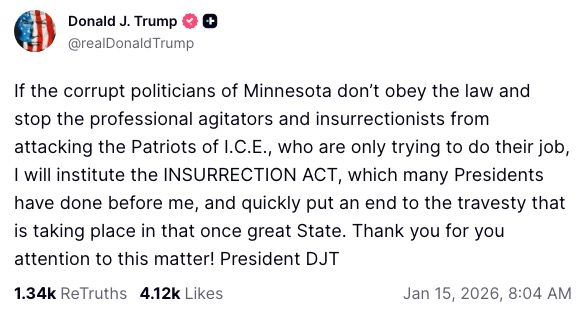
On Jan. 15, Trump warned on Truth Social that he might invoke the Insurrection Act, signaling a dramatic escalation in his approach to Minnesota unrest.
The Insurrection Act hasn’t been used since the deadly 1992 Los Angeles riots, sparked by the acquittal of four officers who brutally beat Black motorist Rodney King — a stark reminder of the law’s rare and serious application.
After running into legal roadblocks, the president shelved previous attempts to send the National Guard to states including Illinois, highlighting the challenges of enforcing federal authority over resistant states.
While the National Guard remains on duty in Washington, D.C., the city’s unique federal oversight gives authorities far greater power here than in any other U.S. city.